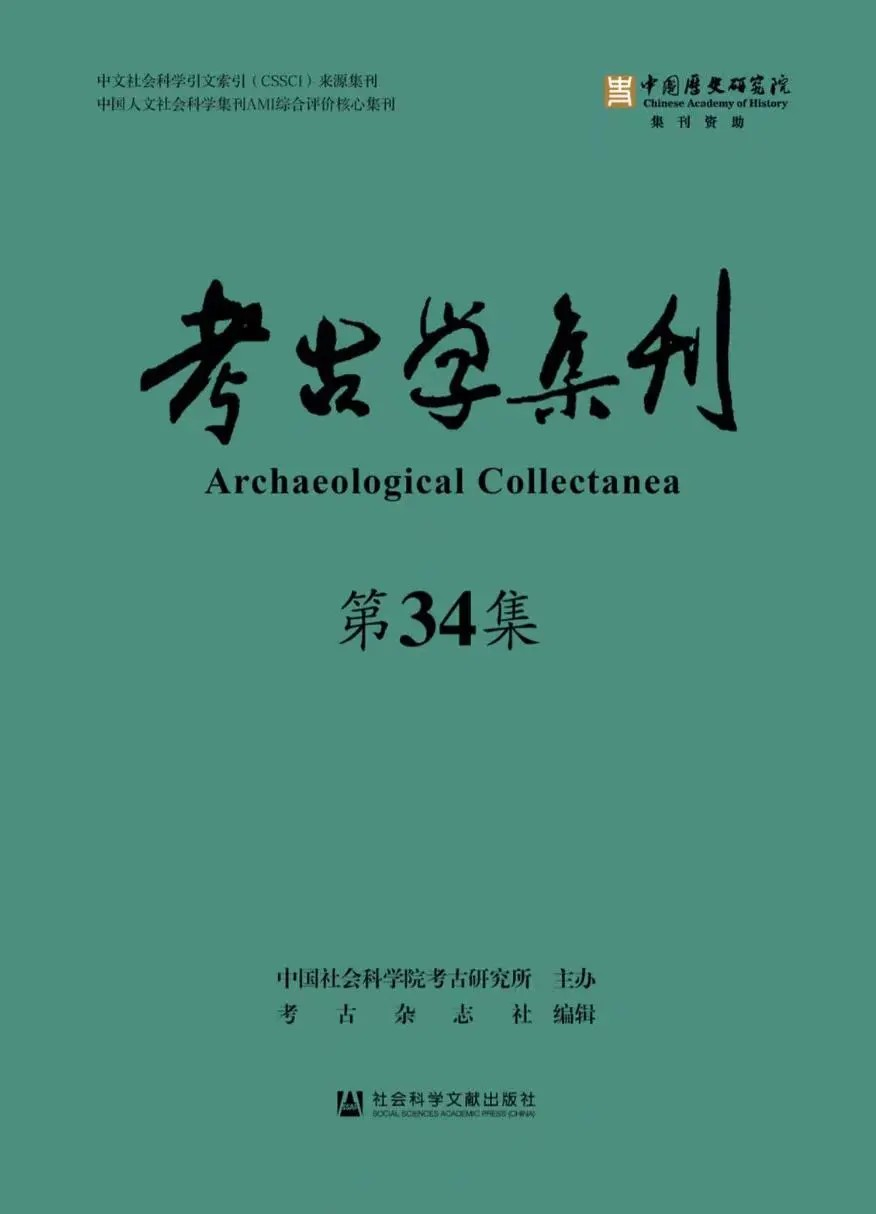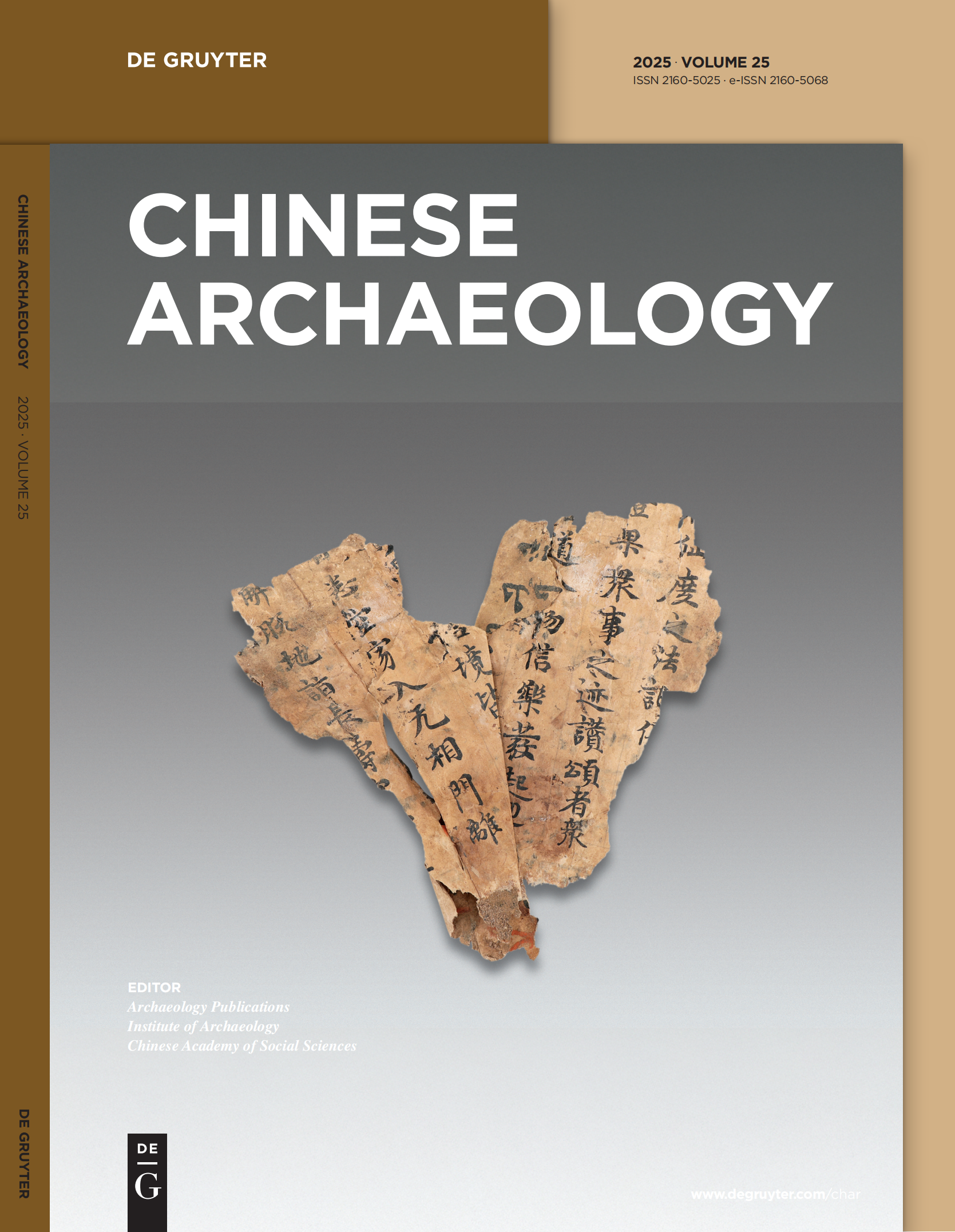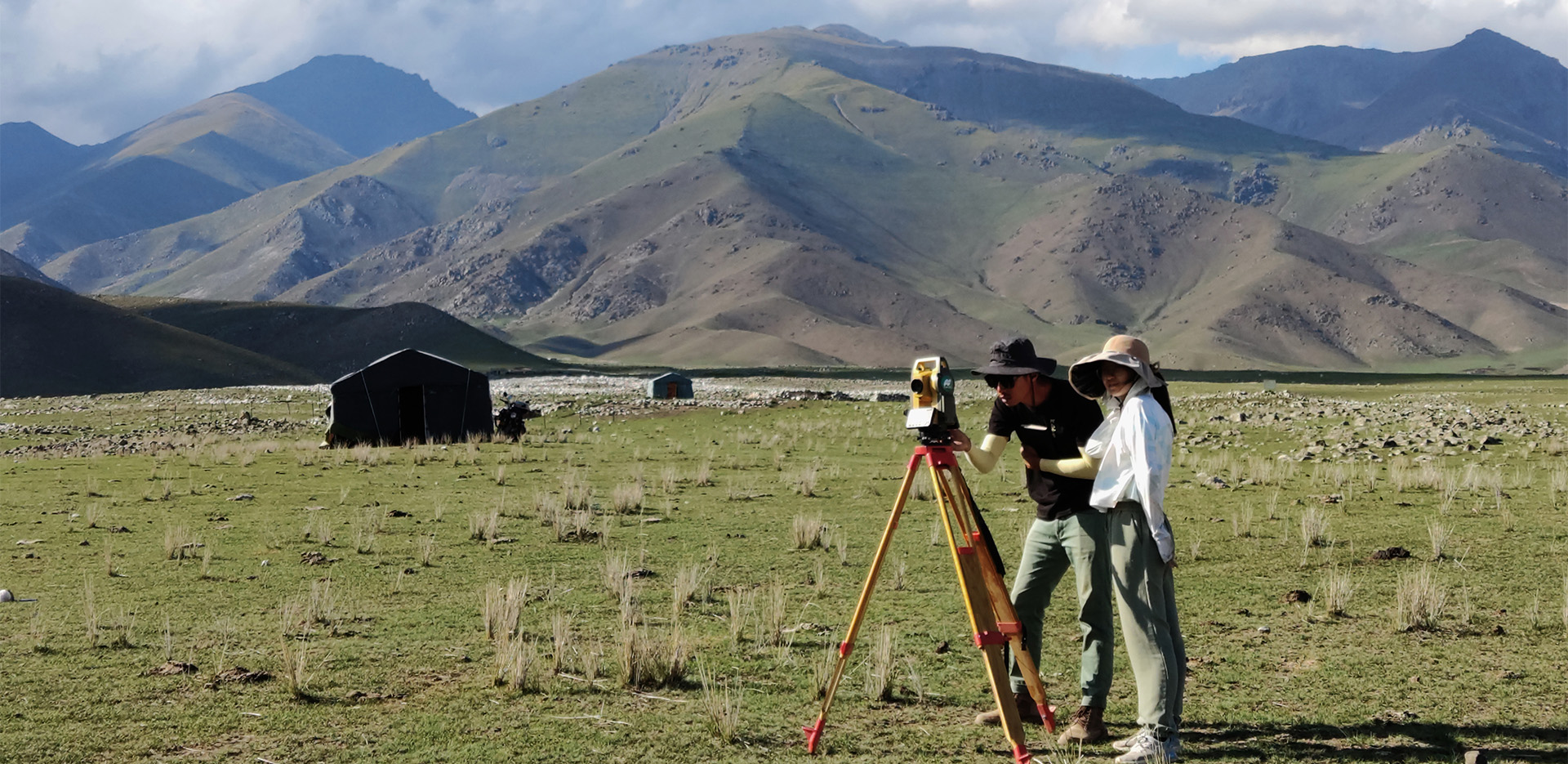
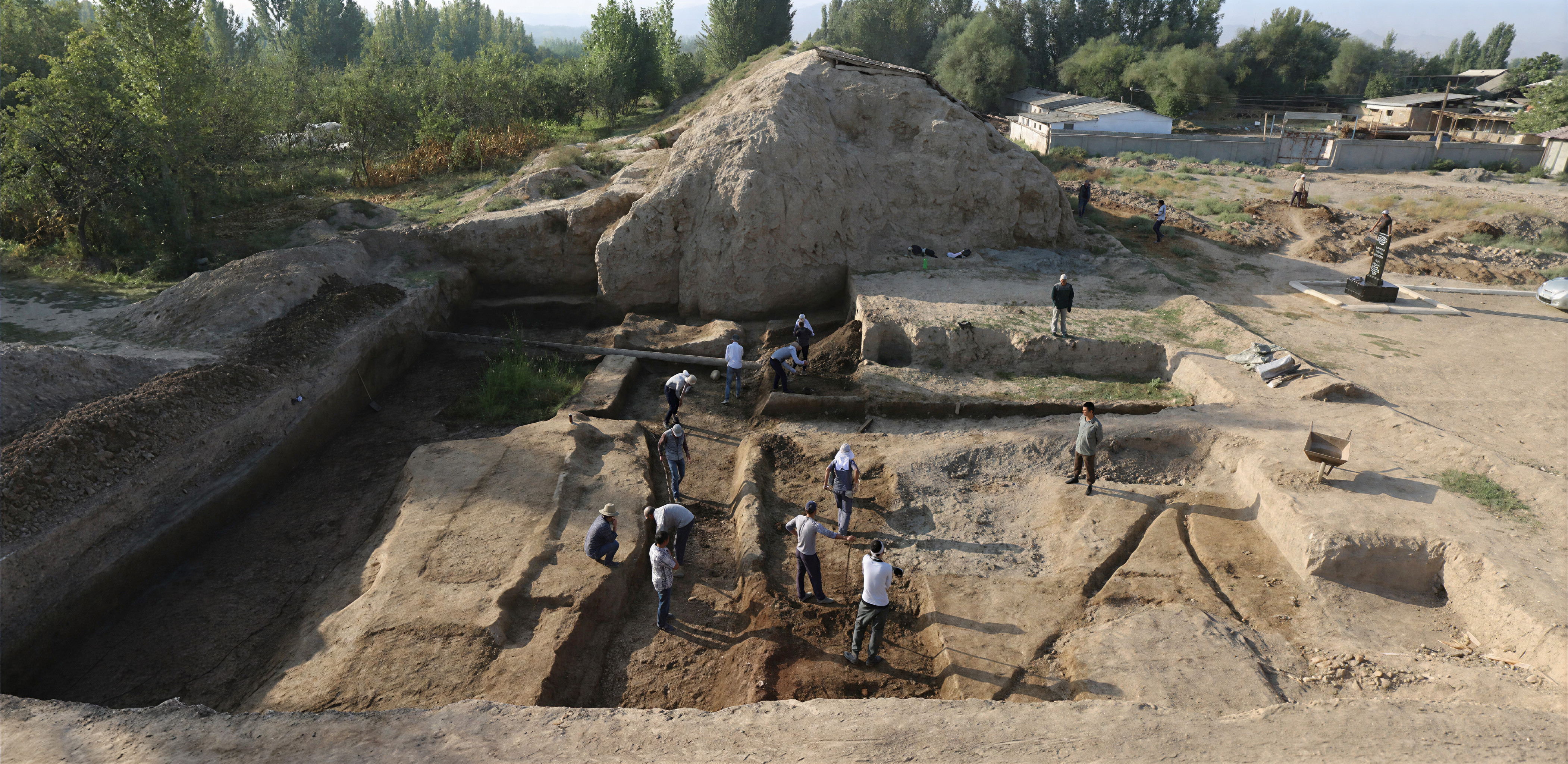
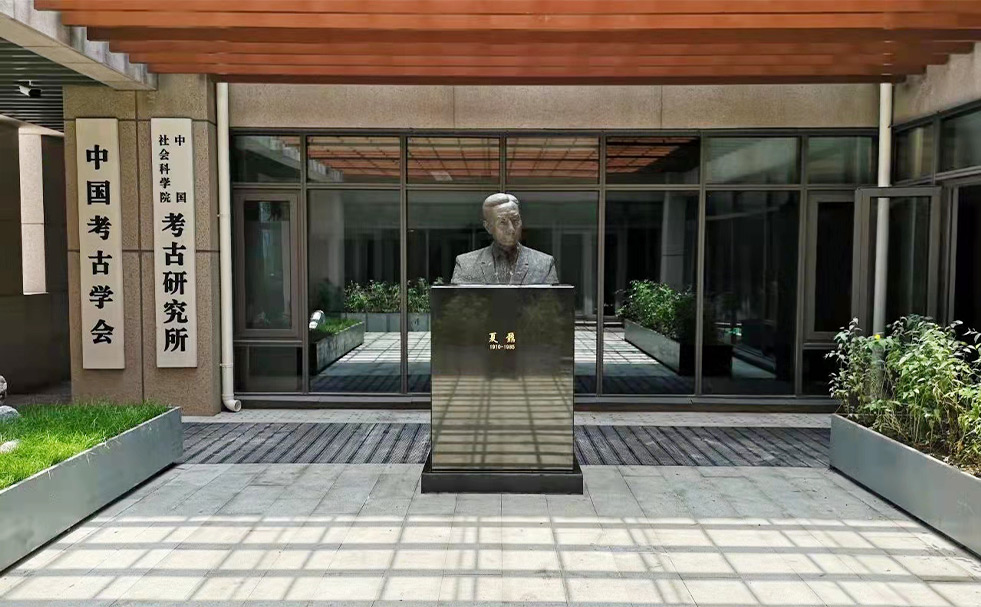
The Institute of Archaeology, Chinese Academy of Social Sciences (CASS) (the Institute of Archaeology, Chinese Academy of History), was established on August 1st, 1950, as one of the earliest institutes founded under the Chinese Academy of Sciences. In May 1977, it was placed under the jurisdiction of the CASS. Today, the Institute of Archaeology stands as a top-tier national archaeological research institution with the most comprehensive academic disciplines, the broadest research scope, and the richest scholarly achievements, enjoying preeminence domestically and renown internationally.


——————— VIEW MORE +

  • The use of cobalt on Chinese ceramics from the 7th to 20th centuries CE 2026-05-19
    Cobalt gives ceramics a very elegant dark blue colour. The five Chinese dynasties—Tang, Song, Yuan, Ming, and Qing, from the 7th to 20th centuries—witnessed the origin, boom and bust of blue-decorated ceramics, known as blue Sancai and blue-and-white porcelains. Blue Sancai is a kind of Sancai (lead-glazed) ware with cobalt-blue decoration, either alone or in combination with other colours, usually white, yellow and green. The archetypal Chinese blue-and-white porcelain is a porcelain decorated with underglaze cobalt pigment(s) and covered with a tr...
  • An understanding of wealth inequality revealed by the Gini coefficient: Insights from p... 2026-05-15
    This paper proposes a composite metric for analyzing economic inequality reflected in prehistoric burials by integrating the value of burial goods with the labor investment required for burial construction. This approach helps mitigate interpretive biases that arise from relying on a single dimension of burial wealth assessment. To address the common challenge of small sample sizes in prehistoric burials, we adopt bootstrap resampling and apply appropriate small-sample corrections to the resulting Gini coefficients. Building on the above methods, this...
  • Ancient Genomes Reveal Population Interaction at China’s North–South Boundary 2026-05-14
    The boundary zone between northern and southern China has long served as a key arena of cultural interaction, yet the genetic history of populations in this region remains poorly characterized. Here we present genome-wide ancient DNA data from three individuals recovered at the Wenmiao site in Xuzhou, Jiangsu Province, situated at the intersection of Shandong, Henan, Anhui, and Jiangsu. To our knowledge, these represent the first genomic data from this pivotal region. Despite the region’s cultural diversity, the Wenmiao individuals show striking gene...
JOURNALS
Copyright The Institute of Archaeology, Chinese Academy of Social Sciences (IA CASS), P.R.China. All Rights Reserved
Address: No. 1, National Stadium North Road, Chaoyang District, Beijing (Post Code: 100101)   E-mail:kaogu@cass.org.cn   FAX: 86-10-87421997